


Do you have questions about fat that you just can’t seem to get answers for?
“How much should I be eating?”
“What sources are the best?”
“Is fat okay with a weight loss goal?”
Fat can be confusing and there’s a lot to go over, so let’s talk about it!
To put it simply: you need to be eating fat! Fat is a critical part of our diet because it plays a big role in hormone balance, supporting good brain health, balancing blood sugar, and reducing inflammation.
If you feel like you need to remove fat when you’re trying to lose weight, you’re actually harming your efforts! I know. Crazy.
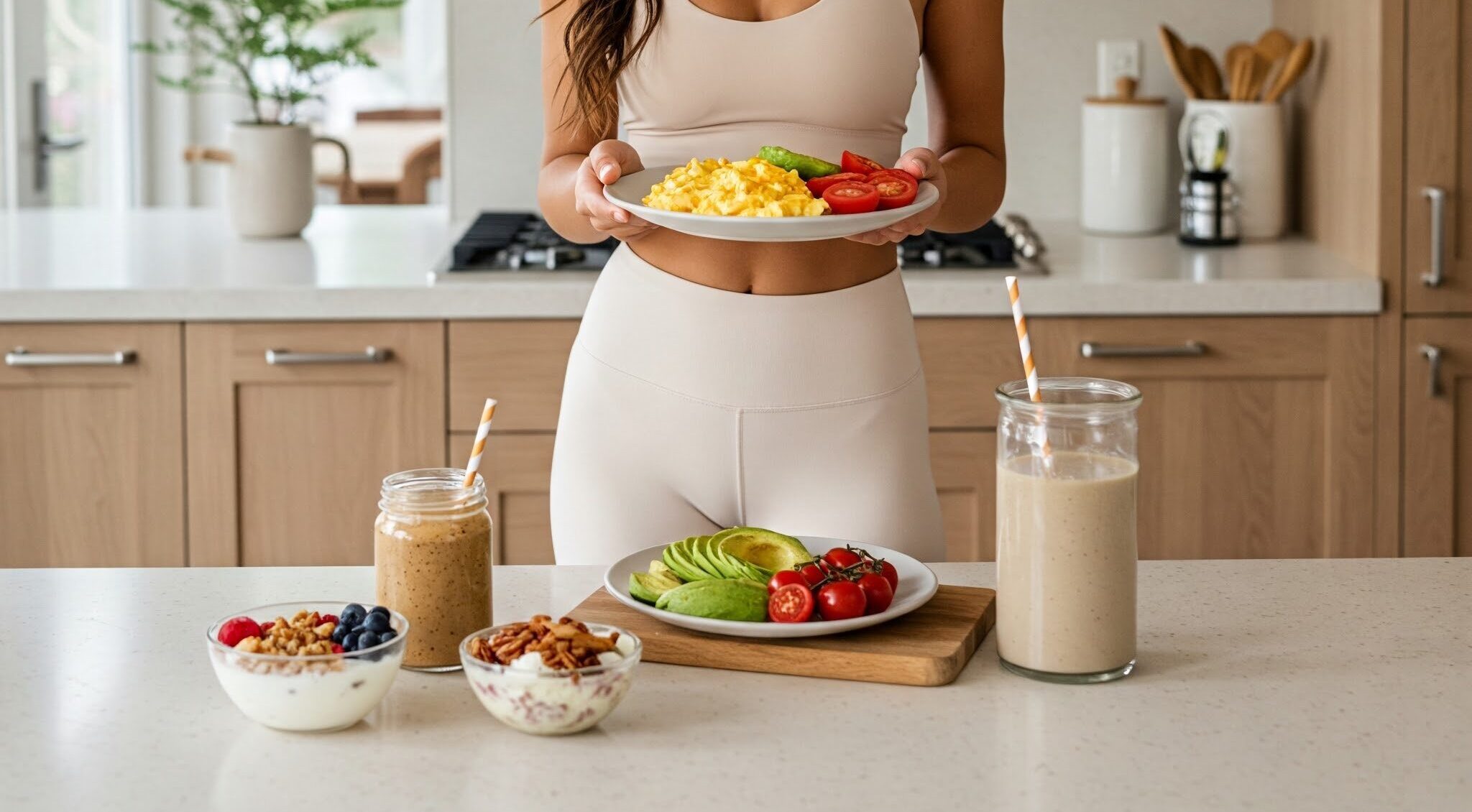
Eating enough healthy fat is actually super helpful for a fat loss goal because it’s extremely satisfying! If you ever have a breakfast that is high in protein with some fruit, but you’re not getting any or hardly enough fat from things like egg yolks, full-fat yogurt, nut butter, or avocado, you’re going to be starving by 10 am. Or at least thinking about lunchtime sooner than later.
Another example you might relate to is not staying full after having a smoothie. The first question I ask is did you add enough fat? It’s pretty easy to add a solid protein source from protein powder and fiber from fruit, but if you’re forgetting about fat, of course you’re only full for a few hours!
This probably has you wondering, “So how much fat do I need to be eating??” So glad you asked.
You can think about your fat needs in two different ways:
- Fat goal per meal
If thinking about your fat intake for a whole day is too much to think about – keep things simple and just focus on one meal at a time. We recommend keeping the goal of 10-30 grams of fat per meal in mind when putting your meals together.
Some tips for figuring out how much fat you’re eating specifically:
- Use a tracking app for a few days
- Use the labels on the foods you’re eating whenever accessible
- Google search “____ nutrition information” for foods that don’t have a label
If you want to keep things more “in the ballpark” but not stress about the numbers, you can use a few of my favorite tricks:
- The size of your thumb is about a serving of fat or ~10g or ~1 tbsp. If you’re having something like peanut butter, avocado, or cheese, the size of your thumb will be about 10 grams so 1-3 “thumbs” will be 10-30 grams of fat.
- If a solid fat source is about 100 calories, it’s about 10 grams of fat. If you’re eating 100 calories of nuts, it will be about 10 grams of fat. So if a pre-made guacamole pack is about 100 calories, it’s probably also about 10 grams of fat. This trick doesn’t always work, especially if it’s a food with protein and fiber.
- If you’re going out to eat – knowing the specific grams of fat is more tricky, so I recommend being a little bit more intentional about your fat sources. For example, if you’re hitting up Chipotle, I would choose 1 or 2 fat sources and not 3-4. So, choose the guac as your fat and skip the cheese and sour cream. Or whichever is most important for your Chipotle experience!
- Fat goal per day
If you do like to know your fat needs approximately per day, this is definitely more variable but I’ll give you some things to keep in mind:

- Most women need AT LEAST 50-60 grams of fat per day for healthy hormones and overall satisfaction.
- Most women do not need more than ~100 grams of fat per day, especially when trying to lose weight. If you track your intake for a few days and find your fat grams to be hitting well over 100 grams, that could be hindering your goals.
This isn’t to say that fat is something to restrict; it’s to remind you that energy balance still matters for weight loss. Getting enough fat is important, but it’s really easy to over-consume because it’s calorie-dense. All things in moderation!
- If you want to determine your total daily energy needs (or your TDEE), you can determine your fat needs by using a percentage. Now, this is really going to depend on your protein and carb needs, BUT it’s a safe bet that eating at least 25-35% of your calories from fat is a good area to be.
Remember, 1 gram of fat is about 9 calories, so if your daily needs are around 2,200 calories and you want to be eating 30% of your calories from fat, you would need to be 600 calories from fat, and that is 67 grams of fat per day.
Is too much fat a bad thing?
Yes. While there are tons of benefits to eating fat at every meal, we can’t go overboard with it. Remember, everything in moderation, and this applies to fat consumption as well.
What about the keto diet?
Yes, the keto diet helps people lose weight, but I have to point out that it is almost always temporary. Cutting out carbs drastically is not sustainable for most people so as soon as they return to normal carb intake, the weight begins to come back.
What a lot of people run into as well while eating a ketogenic-based diet is a lack of fiber and gastrointestinal issues long term. Eating so much fat on a daily basis creates a lost focus on getting enough nutrient- and fiber-rich carbohydrates to keep our gut bacteria happy!
If you’re not necessarily eating a “keto diet” but you’re eating more than 50% of calories from fat, I can bet you’re not eating enough carbohydrates and that is another red flag for weight loss.
Does the type of fat I eat matter too?
Absolutely. When we teach our clients about nutrition for a healthy metabolism, we use the acronym PHFF. This stands for protein, healthy fat, and fiber. We add the “healthy” into healthy fat for a reason.
While I firmly believe that all foods can fit into a healthy lifestyle, we do want to be eating a variety of fat sources, and that includes limiting certain sources for optimal health.
You can categorize fat sources into two different ways in my opinion: saturated vs. unsaturated and high in omega-3s vs. high in omega-6s.
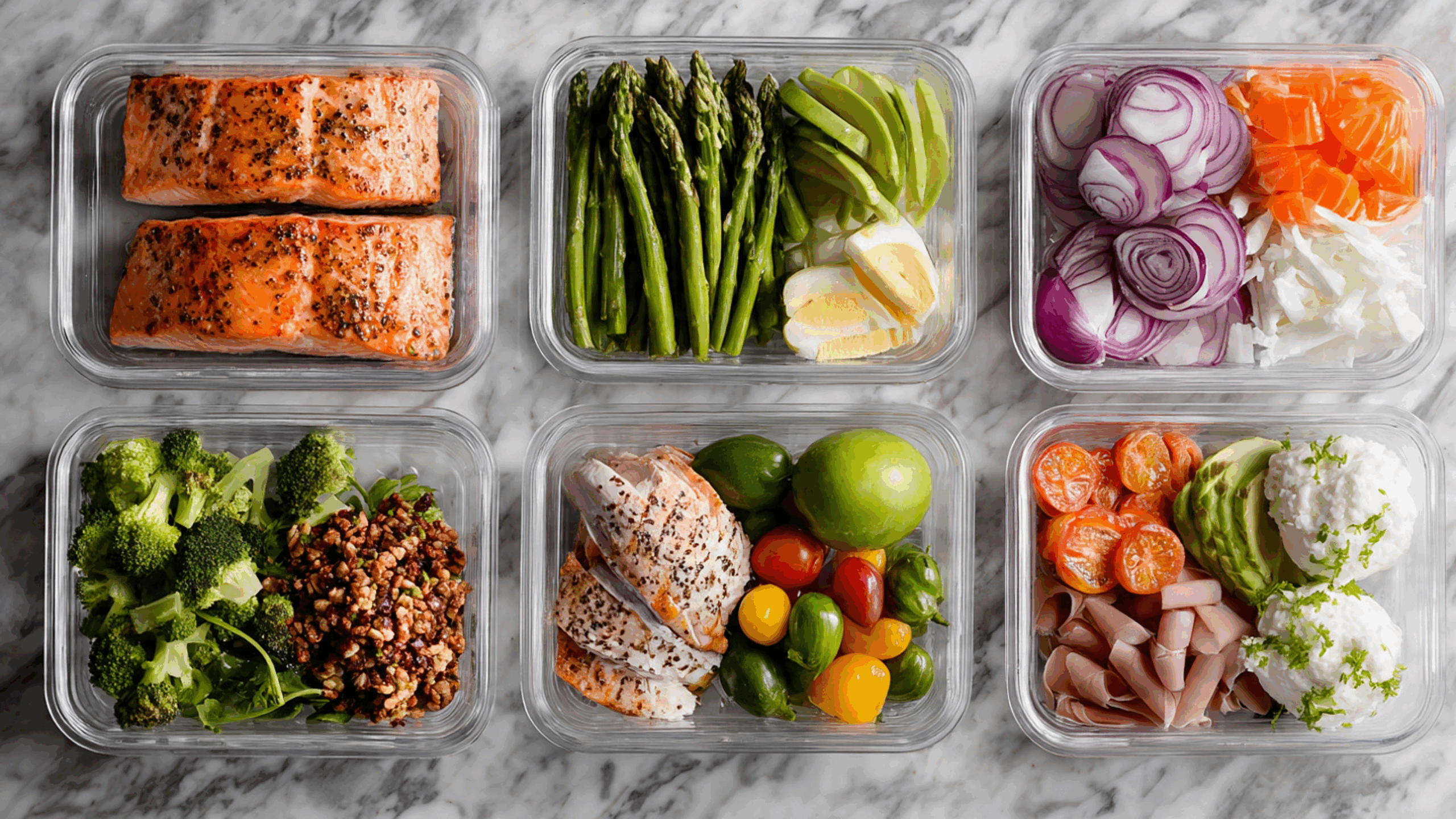
You might think of saturated fat as “unhealthy” fat but that really is not the case. Saturated fat sources like butter, cheese, red meat, coconut oil, eggs, and dairy are actually very nutrient rich and can certainly be eaten in combination with unsaturated fat sources like olive oil, avocados, nuts, and seafood.
When it comes to thinking about your fat intake with the omega-3 vs. omega- 6 lens, the biggest thing to think about is eating plenty of omega-3 sources while being more mindful of omega-6 sources.
When you think about the “standard American diet,” we get too many omega-6 sources like vegetable oil, canola oil, soybean oil, and hydrogenated oils. When you combine that with not getting enough omega-3 sources like fish, nuts, seeds, olive oil, and avocado, it creates an imbalanced ratio. Ideally, we want omega-6s to omega-3s to be about 2:1, not 20:1.
Yes, it can be very imbalanced if we don’t think about it!
Knowing exactly how to eat for YOUR body can be overwhelming. I hope blog posts like this help clear things up.
If you need more support and guidance for the goals you have, our team is ready and waiting to help. Here are some options for you:
- Join the waitlist for the next round of Metabolism Makeover here
- Fill out a VIP 1:1 coaching application here
- Schedule a Power Hour call with a coach here
Coach Elle



Recently on the blog:


leave a comment!
Comments