Simple answer? Yes.
Technically, all of the meals that you eat are important, but breakfast is your first meal of the day, which makes it a little more special. Let’s discuss why.
#1 It helps to balance your blood sugar.
Breakfast is the first thing that you eat after a night of fasting. Eating within 2 hours of waking can help maintain steady blood sugar balance all day rather than getting you caught on the blood sugar rollercoaster.
#2 It ensures that you won’t be playing catch-up later on in the day.
If you skip breakfast, you will be hungrier later on in the day. If you are a chronic dieter or someone who often tries to be “good,” you will most likely reach for a really light lunch option. Probably a salad lacking fat and protein. So now you have skipped breakfast, had an extremely light lunch, and expect to somehow out-willpower your biological hunger come dinner time. This completely sets you up for failure! Odds are you will overeat after dinner, ultimately making you feel guilty for having a lack of discipline. When the reality is…your hunger finally caught up and you couldn’t avoid eating any longer. Something that could have been avoided had you started your day off with breakfast.
#3 It gives you energy!
When you skip breakfast, it zaps your energy, making you feel more tired. When you are tired, you are less likely to move your body or have the energy for daily tasks.
#4 It helps with mental clarity.
Think about it – your brain uses glucose as energy, so when you skip breakfast, you are essentially underfeeding your brain.
#5 It helps your mood.
Studies show that people who skip breakfast are more likely to have an increased risk of both depression and anxiety!
#6 It helps increase your overall nutrient intake.
Eating breakfast increases your protein intake, which is imperative for weight loss. It also increases other nutrients like fat, which is needed for hormonal health, and, fiber which is needed for heart health. AND it increases vitamin and mineral intake, helping your overall health and metabolic function.
One of the worst things that you can do for your metabolism is skip breakfast. Skipping breakfast means that you are fasting for a prolonged period of time. This is terrible for your adrenals! Making a habit of going long periods without food stresses the body, which is not only unhealthy but also does not help weight loss efforts. It increases free cortisol – exactly what you want to avoid!
Which brings up two popular questions that I often get…
What about intermittent fasting?
Whenever someone asks me my opinion on intermittent fasting, especially for weight loss, the first thing I ask them is if they currently eat breakfast. 9 times out of 10 the answer is no! Women are notorious for skipping breakfast. Which is understandable. Having to rush kids out of the house or rush off to work usually means forfeiting breakfast. So, will skipping breakfast and calling it intermittent fasting really have that much of a different outcome from what they have already been doing? The answer is no. They have already been intermittent fasting without realizing it, and haven’t had success. Eating breakfast supports weight loss and metabolic function.
What if I don’t feel hungry?
Then you absolutely should eat breakfast! It is a huge red flag if you are consistently going 12-14 hours without eating overnight and you don’t feel hungry. If this is you, start off small! Eating something is better than nothing, and can help you work up to a normal breakfast.
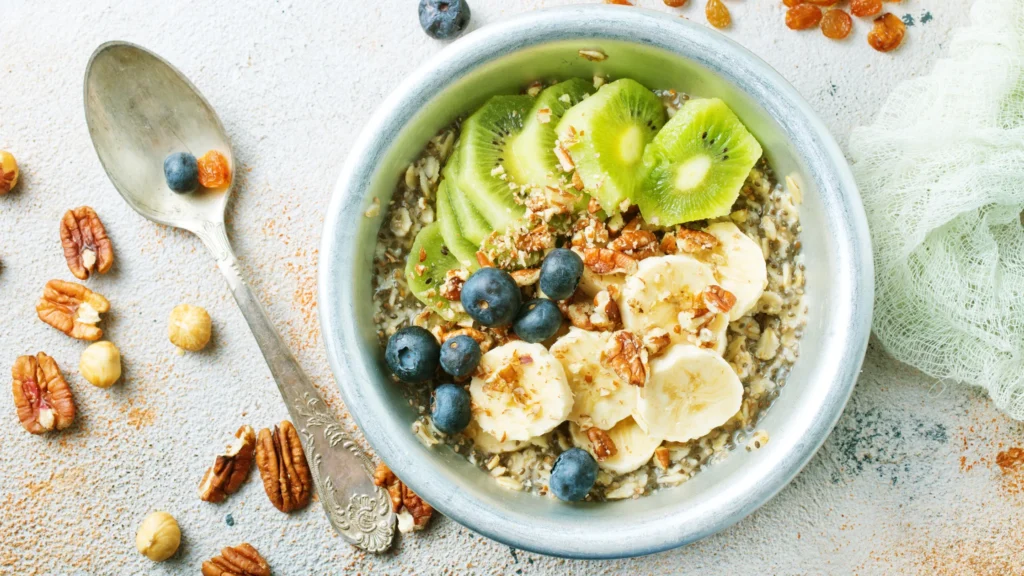
One of the first places I start with clients is having them eat breakfast. This small habit makes a huge difference! If you are someone who struggles with having energy, who can’t seem to find a balance between having no appetite or feeling hangry, feels moody or impatient, or feels like you struggle with brain fog, then I encourage you to start eating a high-protein breakfast within 2-hours of waking and see how you feel! You won’t regret it.
Here’s what you should focus on:
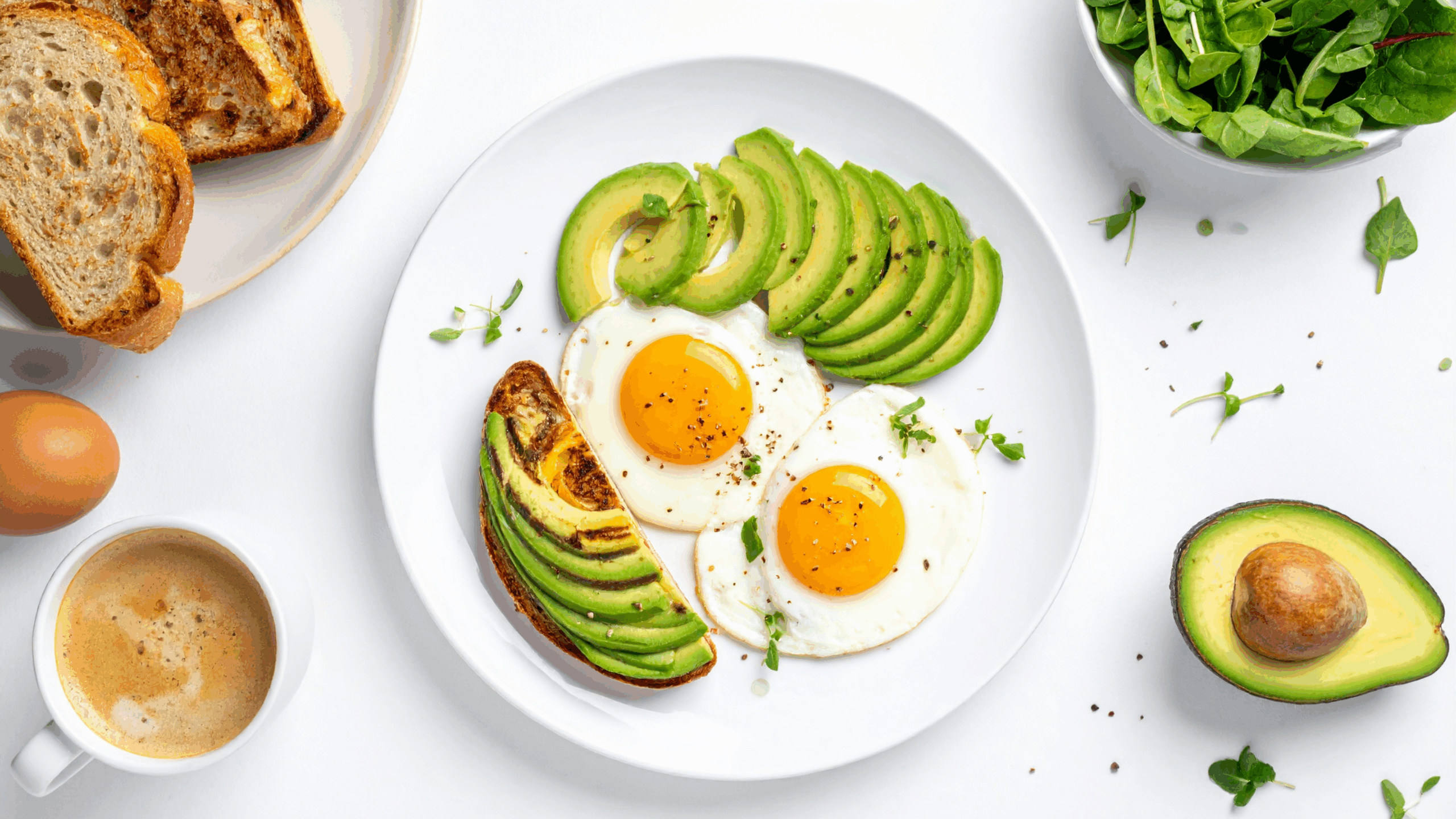
- Have a breakfast consisting of 30+ grams of protein
- Aim to have a low-sugar breakfast – this will ensure that you are choosing complex carbohydrates
- Make breakfast one of your non-negotiables
- Prep or plan the night before rather than in the morning when you are more likely to be rushed
If you are feeling a little overwhelmed about breakfast options, check out this post for some quick on-the-go breakfast options!
Want more easy and delicious recipes like this for meal prepping? Check out our full seasonal recipe collection options here!
Enjoyed this article? Get more Nutrition 101 delivered straight to your inbox.
Unlock your best you.
Get daily nutrition you can count on with plans that work for your body.
Start today