



Nothing is more powerful when it comes to changing your body composition and speeding up your metabolism than strength training. And while cardio has been king for fat loss in years past, we now know that the most effective way to build lean muscle and burn fat in the longterm is through lifting heavy weights!
Why Muscle Mass Matters
Have you ever been on a diet where you’re told that as you lose weight, you’ll have to adjust your calorie intake downward to maintain that weight loss? Or have you ever been told that when you hit a plateau, it
means it’s time to drop your calories even further?
That’s like trying to save money by never turning on your lights – sure, it works, but at what cost? Here’s what’s actually happening:
- Less food >> less muscle
- Less muscle >> slower metabolism
- Slower metabolism >> weight gain unless you eat less
The Netflix Effect
Most of your daily calorie burn happens while you’re doing absolutely nothing. How cool is that? We’re talking:
- Scrolling through TikTok
- Napping with your cat
- Contemplating your early 2000s life choices
- Basically, just existing
There are a lot of processes in the body that determine how many calories you burn during all this “hard work”, but the one you have direct control over increasing or decreasing is your muscle mass!
We build and maintain muscle two ways:
- Through activating muscle protein synthesis by consuming enough amino acids, through protein, in our diet.
- Through strength training, aka muscle activation.
Muscle Protein Synthesis
How Much Protein Do You Need?
Muscle growth and repair depend on protein, and specifically, the amino acid leucine, which triggers muscle protein synthesis. You need about 2.5-3 grams of leucine per meal to stimulate this process, which typically translates to around 30 grams of high-quality animal protein.
Some examples of how to hit that 30-gram target:
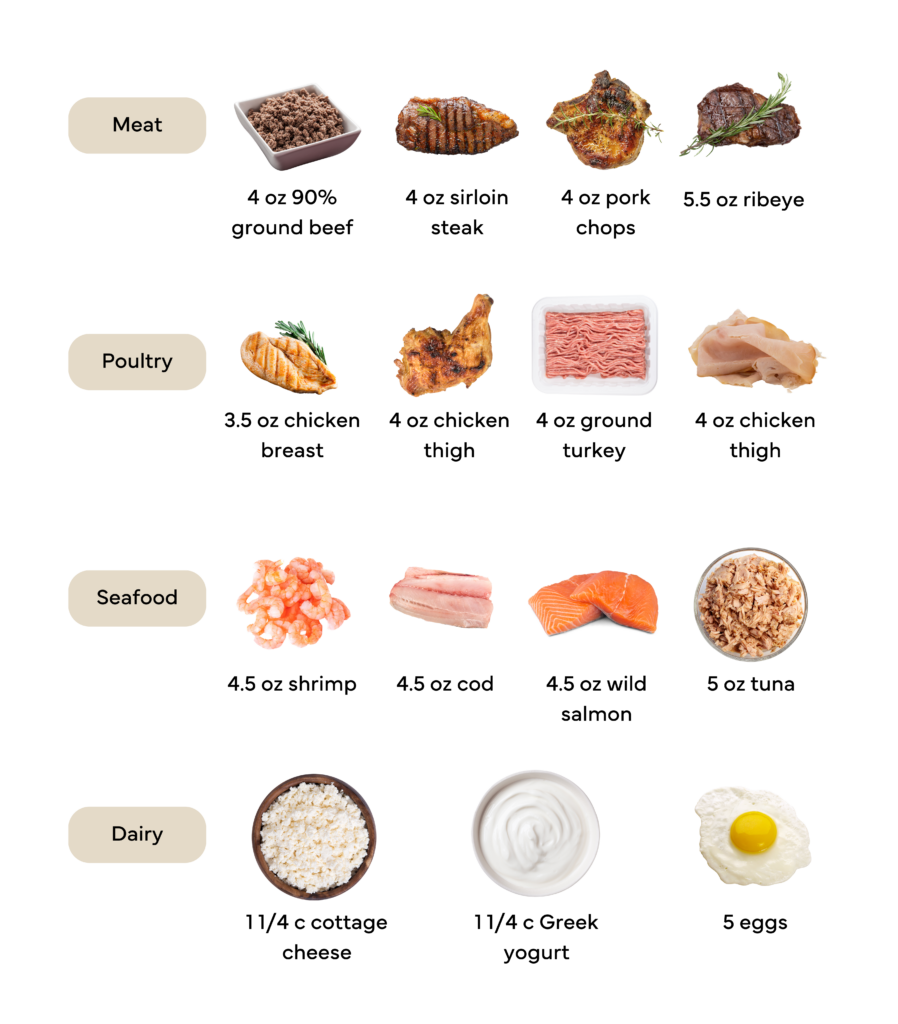
High quality protein powders are also an excellent way to get in easy protein, and you can find our favorites here. For vegetarians or those using plant-based protein powders, make sure to choose a high-quality protein powder that contains essential amino Getting Started with Strength Training
You don’t have to become a gym bro overnight. Start with:
- Light weights (yes, those pink dumbbells count)
- Bodyweight moves (your body is a free gym!)
- Resistance bands (like strength training with rubber bands)
The key to any good strength routine is a progressive overload strength training program—adding a little more weight or doing a few more reps each week to keep challenging your muscles.
Even if you’re new to strength training, focus on slowly building up your routine. Consistency and progression are essential. Random workouts may lead to random results, but structured strength training programs are designed to help you increase muscle mass steadily.
Cardio vs. Strength: The Showdown
- Cardio has plenty of health benefits and works in the short term for fat loss, but can have diminishing returns
- Over time, your body gets more efficient at cardio (read: burns fewer calories)
- Meanwhile, strength training is like compound interest – it continues to pay off over time!
Over-Exercising and Its Downsides
While it may seem counterintuitive, more exercise doesn’t always mean more fat loss. Over-exercising—especially with high-intensity cardio—can lead to:
- elevated cortisol levels (hello, belly fat)
- inflammation (from stress)
- metabolic adaptation (when the body starts burning fewer calories)
- which all lead to weight loss resistance
If you love high-intensity workouts, limit them to two or three times per week and ensure you take rest days to allow your body to recover. Remember, rest and recovery are just as important as the workouts themselves for maintaining a healthy metabolism.
The Long Game Benefits
Building muscle is like investing in your body’s future:
- The more muscle you have during menopause, the better your body is able to handle the hormonal changes that lead to insulin resistance, inflammation, and weight gain
- Better bone health
- Increased longevity (live longer, and live better while you age)
Leave a Reply






Recently on the blog:


leave a comment!
Comments